
Budgeting vs Expanse tracking.
Introduction
For young adults stepping into financial independence, understanding budgeting vs expense tracking is crucial to managing money effectively. Two fundamental tools often discussed are budgeting and expense tracking. While they may seem similar, each serves a distinct purpose in personal finance management. This comprehensive guide will explore the differences, benefits, and practical applications of budgeting versus expense tracking, helping young adults decide what they absolutely need to build a strong financial foundation.
Budgeting vs Expanse tracking. For young adults in today’s economy, financial independence is no longer optional — it’s survival. Rising housing costs in Canada, subscription-heavy lifestyles in the UK, student loan burdens in the USA, and high living expenses in Australia all demand sharper money management skills. This is why the debate of budgeting vs expense tracking matters more than ever. Budgeting gives you a proactive plan, while expense tracking provides a mirror to your actual habits. Without mastering both, young adults risk falling into debt traps, overspending on lifestyle inflation, and missing opportunities to save or invest.
The 1st part of Budgeting vs Expense Tracking is budgeting.
What is Budgeting?
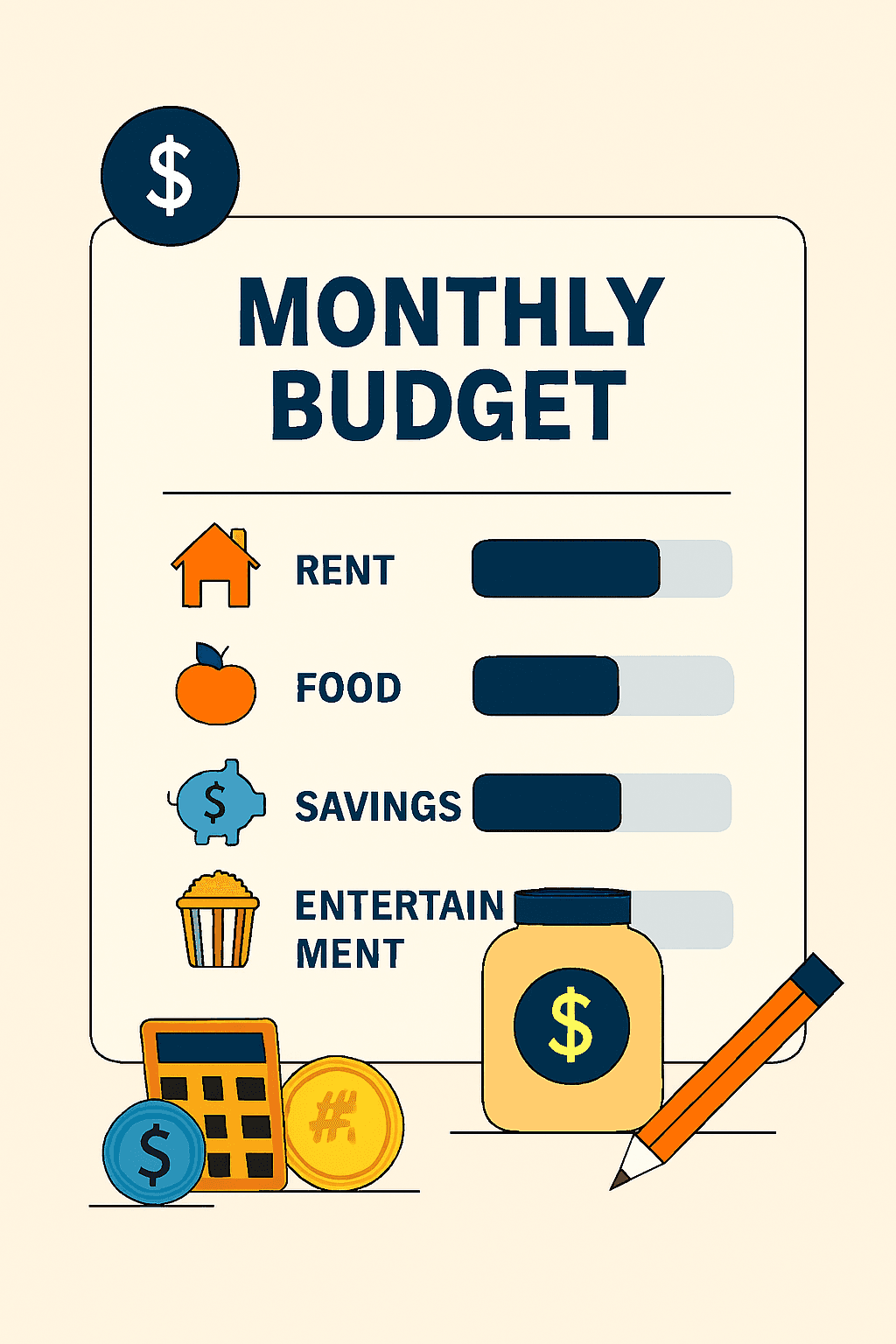
Budgeting is creating a plan to spend your money. It involves setting financial goals, estimating income, and allocating funds to various categories such as housing, food, transportation, savings, and entertainment. Budgeting helps you control your spending, avoid debt, and save for future needs.
Why Budgeting Matters for Young Adults
- Deep Dive into Budgeting
Budgeting is more than just numbers — it’s a mindset. Popular methods include:
- 50/30/20 Rule: 50% needs, 30% wants, 20% savings.
- Zero-Based Budgeting: Every dollar is assigned a purpose.
- Envelope System: Cash divided into categories to prevent overspending.
For example, a student in Canada might use budgeting vs expense tracking to allocate tuition, rent, and groceries while still saving for emergencies. Budgeting forces discipline and helps young adults prioritize essentials over luxuries. By contrast, without a budget, expenses can spiral out of control.
Goal Setting: Helps prioritize spending aligned with personal goals.
Debt Prevention: Encourages living within means to avoid unnecessary debt.
Savings Growth: Facilitates setting aside money for emergencies and investments.
What is Expense Tracking?
- Deep Dive into Expense Tracking
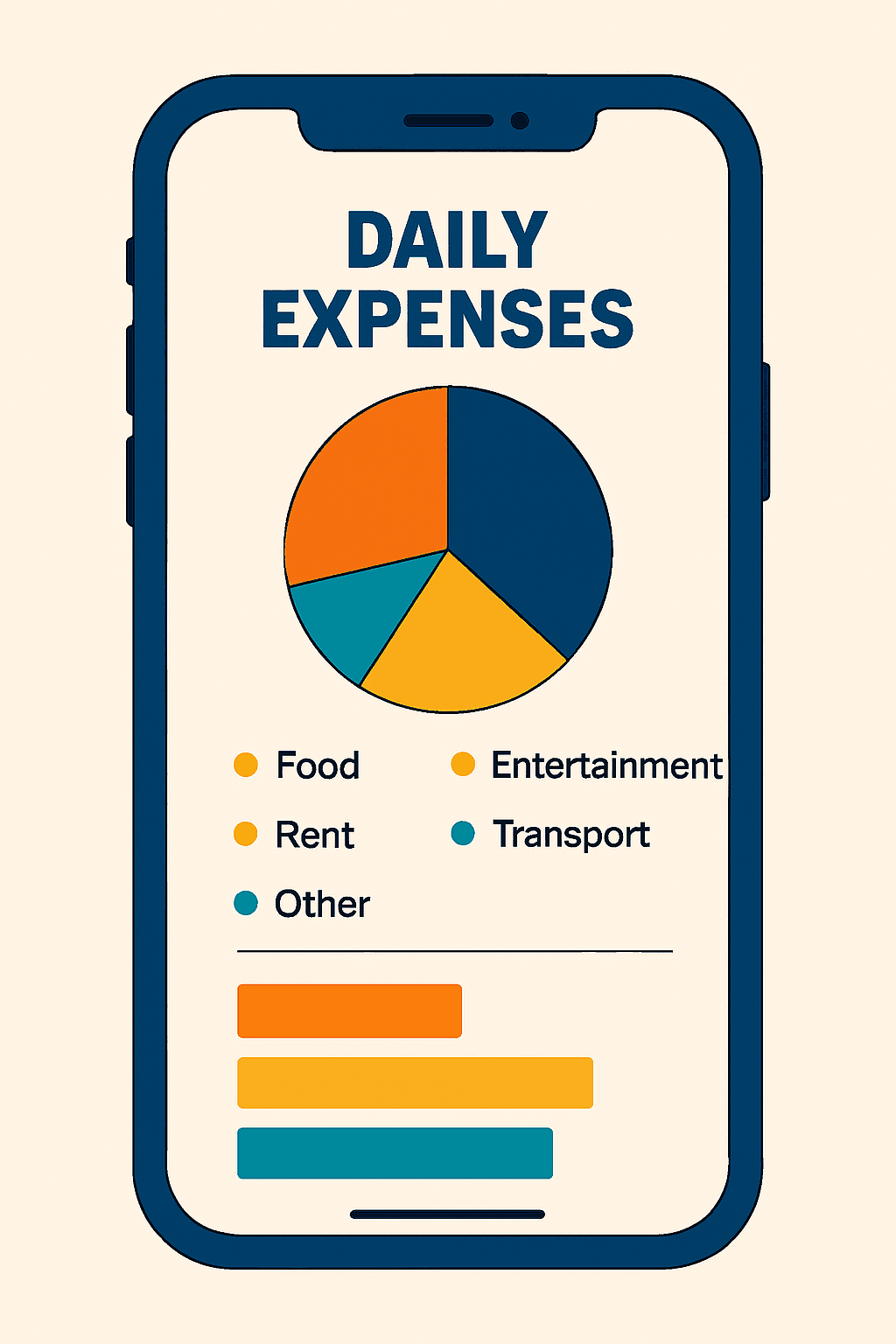
Expense tracking is the reality check. It shows where your money actually goes. Manual tracking (receipts, spreadsheets) works for detail-oriented people, while apps like Mint or Emma automate the process.
Case study: A young adult in the UK realized through expense tracking that subscriptions consumed 15% of monthly income. By canceling unused services, they freed up funds for savings. This illustrates why budgeting vs expense tracking is not about choosing one — it’s about using both.
Budgeting vs Expense Tracking in Practice
Imagine two scenarios:
- Only budgeting: You plan $200 for dining out but never check actual spending. You overshoot without realizing.
- Only expense tracking: You record every coffee purchase but have no plan to limit them.
Together, budgeting sets the plan and expense tracking enforces it. This synergy makes budgeting vs expense tracking a powerful duo for young adults.
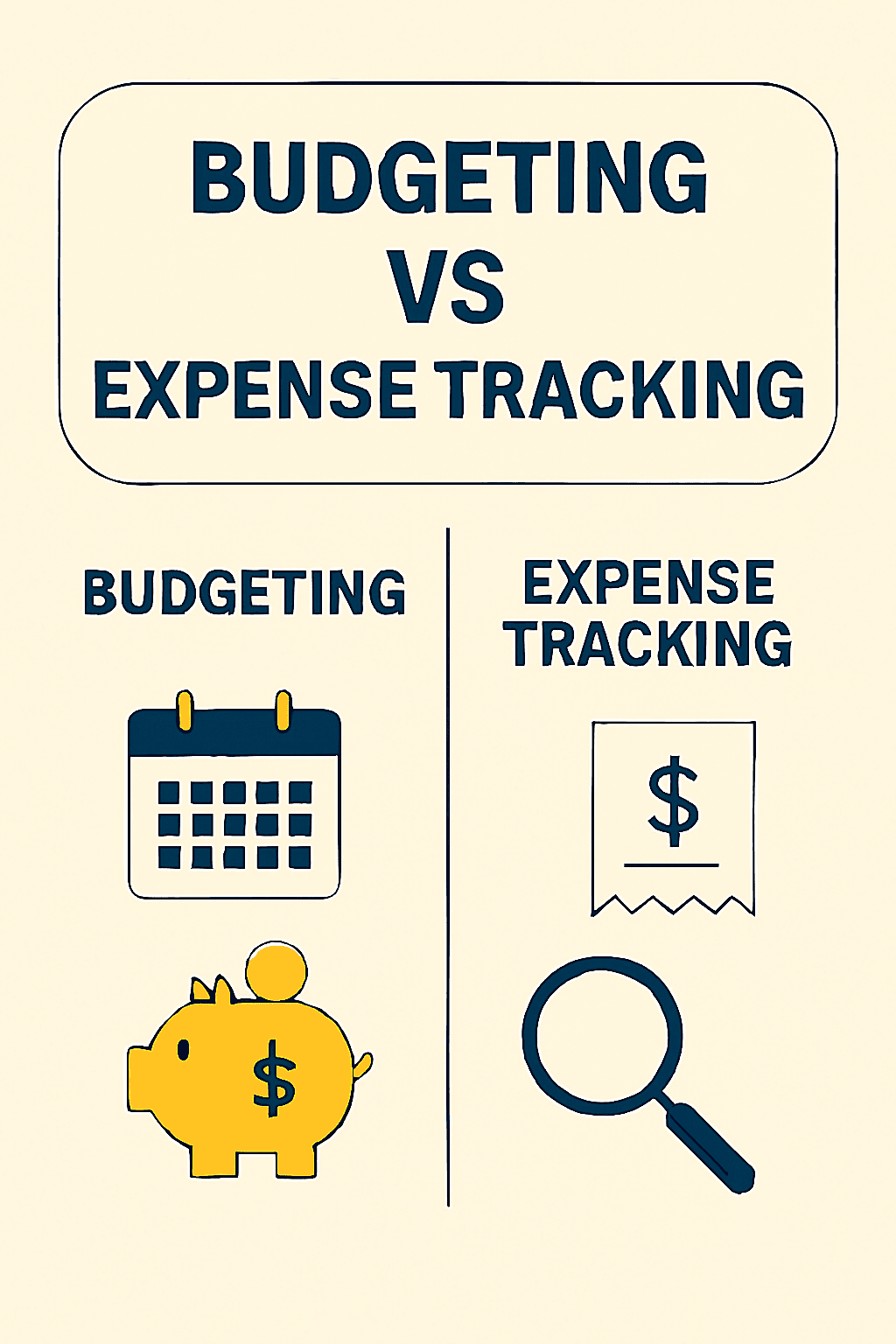
Expense tracking is the practice of recording every expense you make to understand your spending habits better. Unlike budgeting, which is a forward-looking plan, expense tracking is retrospective, focusing on what you have already spent.
Benefits of Expense Tracking
Spending Insight: Reveals actual spending patterns.
Identify Waste: Helps spot unnecessary or impulsive purchases.
Adjust Budgets: Provides data to refine and adjust budgets realistically.
Accountability: Keeps you accountable to your financial goals.
Budgeting vs Expense Tracking: Key Differences
Aspect
Budgeting
Expense Tracking
Purpose
Plan future spending
Record past spending
Focus
Allocation of income
Monitoring actual expenses
Time Orientation
Forward-looking
Backward-looking
Tools Used
Budget sheets, apps, envelopes
Receipts, apps, spreadsheets
Outcome
Spending control and goal setting
Spending awareness and adjustment
How Budgeting and Expense Tracking Work Together
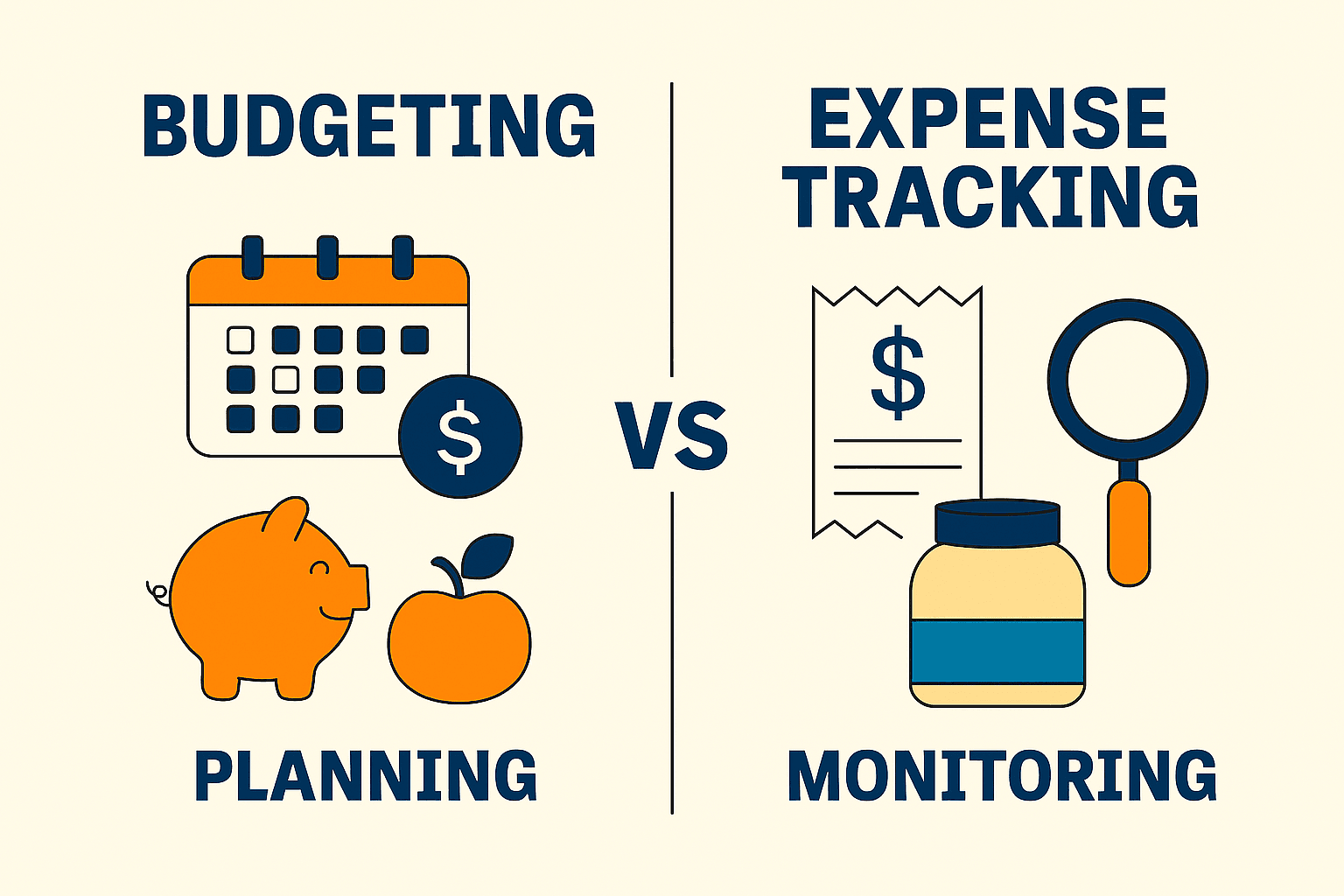
While budgeting and expense tracking serve different purposes, they complement each other. Expense tracking provides the data needed to create realistic budgets, and budgeting sets the framework to guide spending decisions in budgeting vs expense tracking.
- Country-Specific Challenges
- USA: Student loans make budgeting essential.
- UK: Subscription culture demands expense tracking.
- Canada: Housing costs require strict budgeting.
- Australia: Lifestyle spending benefits from expense tracking.
Each country highlights why budgeting vs expense tracking is universally relevant.
Practical Tips for Young Adults
Getting Started with Budgeting
Calculate Your Income: Include all sources.
List Expenses: Fixed and variable.
Set Financial Goals: Short-term and long-term.
Allocate Funds: Prioritize essentials and savings.
Review Regularly: Adjust as needed.
Effective Expense Tracking
Choose a Method: Apps, spreadsheets, or manual logs.
Record Every Expense: No matter how small.
Categorize Spending: Helps identify trends.
Analyze Monthly: Compare against your budget.
Make Adjustments: Cut unnecessary costs.
Recommended Tools and Apps
Budgeting Apps: YNAB (You Need A Budget), EveryDollar, Mint
Expense Trackers: Expensify, PocketGuard, Wally
Common Challenges and How to Overcome Them
Inconsistent Tracking: Set reminders and automate where possible.
Unrealistic Budgets: Use expense data to create achievable plans.
Impulse Spending: Build in small discretionary funds.
Why Young Adults Absolutely Need Both
Relying solely on budgeting without tracking expenses can lead to unrealistic plans. Conversely, tracking expenses without budgeting may not provide direction. Together, they empower young adults to take control of their finances, avoid debt, and build wealth.
- Tools & Apps Detailed Reviews
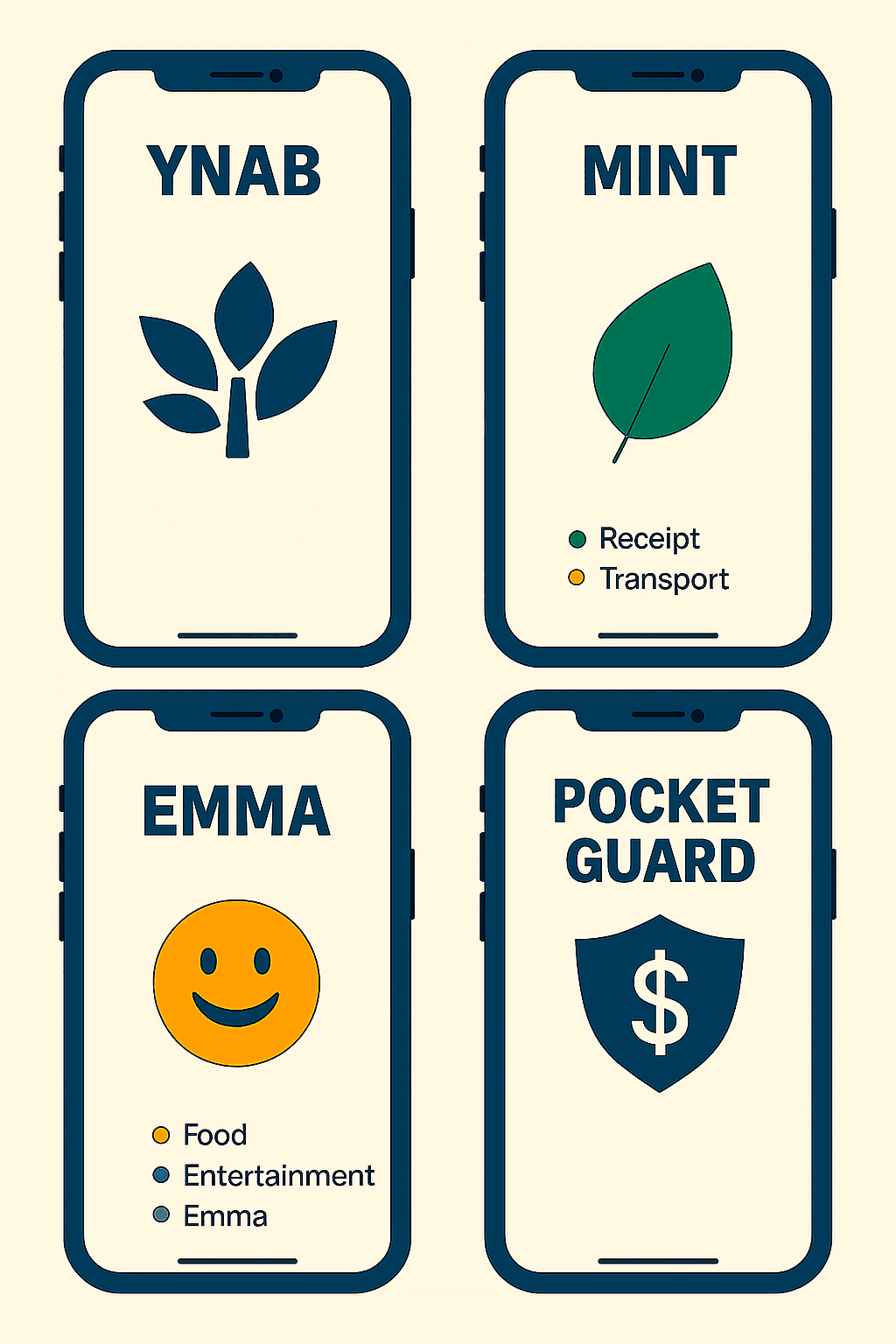
- YNAB: Best for budgeting discipline.
- Mint: Best for automated expense tracking.
- Monarch Money: Combines both approaches.
- Emma: Great for subscription management.
Pros, cons, and availability by country should be detailed here.
How to Create a Budget That would Work for You
Top 10 Expense Tracking Apps Reviewed
Consumer Financial Protection Bureau: Budgeting{:rel=”dofollow”}
Investopedia: Expense Tracking
- Psychology of Money Management
Budgeting provides control and reduces anxiety. Expense tracking provides awareness and prevents denial. Together, they build confidence in financial decisions. This psychological balance is why budgeting vs expense tracking is essential for young adults.
Conclusion
Mastering both budgeting and expense tracking is essential for young adults aiming for financial stability and growth. By planning ahead and keeping a close eye on spending, you can make informed decisions, avoid financial pitfalls, and achieve your monetary goals with confidence. Mastering both budgeting and expense tracking is not optional — it’s the foundation of financial independence. Young adults who embrace budgeting vs expense tracking gain clarity, avoid debt, and build wealth. By planning ahead and monitoring spending, they can achieve financial stability and long-term growth

Pingback: Active Income vs Passive Income: The Secret Path to Wealth in 2025 - RevoValue – Smart Finance Insights
Pingback: Best 10 Digital Banking Apps in USA, UK, Canada & Australia (2025 Guide) - RevoValue – Smart Finance Insights